
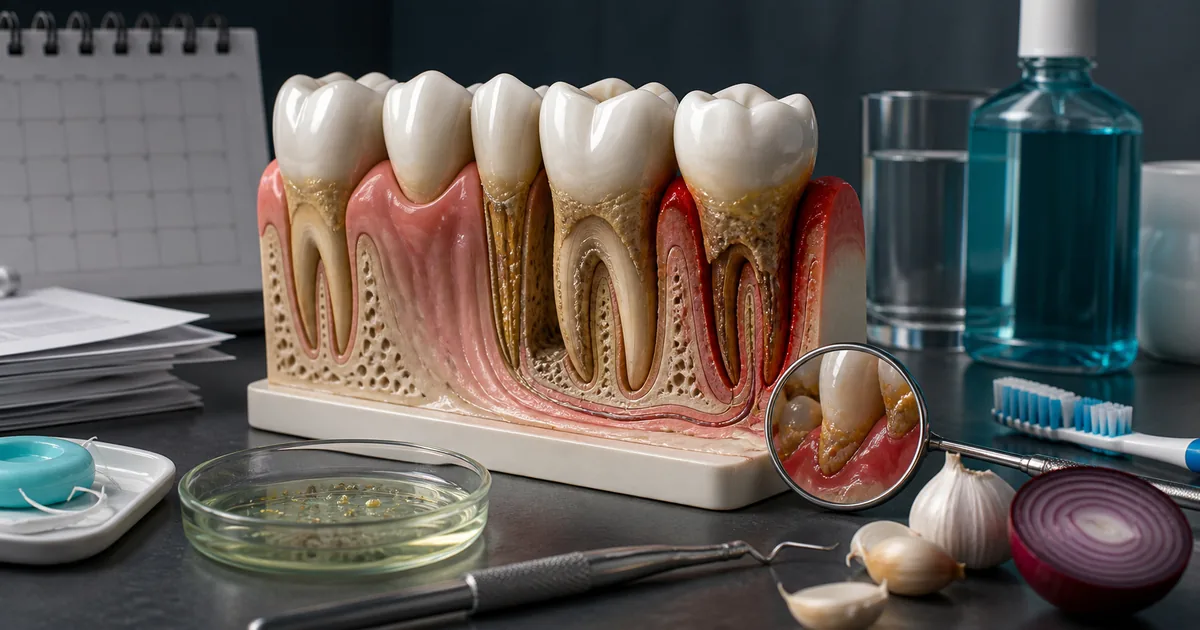
Mints and mouthwash work for about twenty minutes. If breath odor keeps returning no matter what you do, the problem is not that you have failed to cover it up well enough. Something specific is producing it, and covering the smell does nothing to the source.
Quick Facts
What Causes Chronic Bad Breath?
The odor associated with bad breath comes largely from volatile sulfur compounds. These are produced by bacteria breaking down proteins, from food debris, from dead cells shed inside the mouth, and from blood if the gums are inflamed.
The important consequence is that the smell is a byproduct of a biological process happening somewhere specific. Find the place, address it, and the odor goes with it. Rinse with something minty and you have changed nothing except the top note for a short while.
So the useful question is where the bacteria are living.
Can the Tongue Cause Bad Breath?
This is the single most common source, and it is routinely overlooked because most people do not clean their tongue at all.
The rear surface of the tongue is textured, and that texture holds a coating of bacteria, food residue, and shed cells. It sits at the back of the mouth where saliva flow is lower and airflow is limited.
A tongue scraper reaches this in a way a toothbrush largely does not, particularly the area far enough back to be uncomfortable. If you have never cleaned your tongue and you have persistent odor, this is the first thing worth trying.
It takes a few days of consistency to notice a difference.
Does Gum Disease Cause Bad Breath?
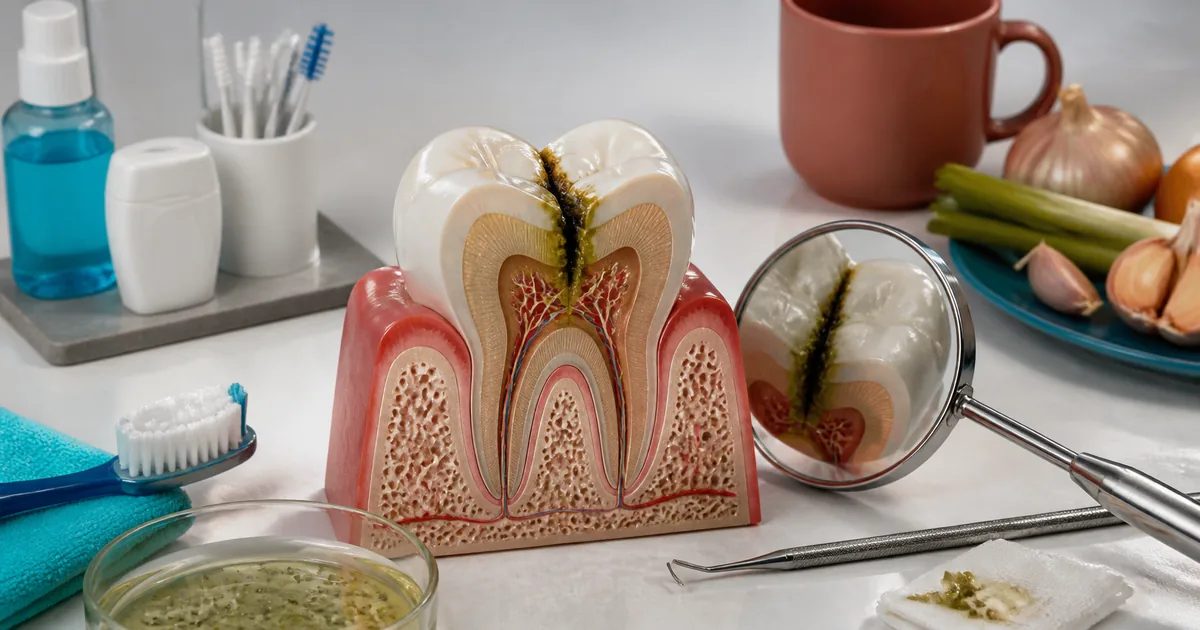
Inflamed gums bleed, and the pockets that form between gum and tooth in gum disease are exactly the low-oxygen environment that odor-producing bacteria prefer.
The complication is that gum disease often causes no discomfort at all in its early and middle stages. Patients frequently do not know they have it, and persistent bad breath can be one of the first noticeable signs.
Other things worth noticing alongside odor: gums that bleed when you brush or floss, gums that have pulled back, or teeth that feel slightly loose. Our post on the signs of gum disease goes through what to watch for.
If gum disease is the cause, treating it addresses the odor. Our post on deep cleaning versus regular cleaning explains the difference between the two approaches, and our periodontics page covers the treatment side.
You cannot reliably smell your own breath
The sense of smell adapts quickly to constant background odors, including your own. This is why people are often either unaware of persistent bad breath or convinced they have it when they do not. A frank conversation with someone you trust is more reliable than self-assessment, and a dental exam is more reliable still.
Does Dry Mouth Cause Bad Breath?
Saliva is doing more work than most people realize. It washes away debris, neutralizes acid, and carries antibacterial components. Reduce the flow and bacteria multiply with less interference.
This is why morning breath exists. Saliva production drops overnight for everyone.
Persistent dry mouth is a different matter, and medication is a very common cause. Hundreds of commonly prescribed drugs list it as a side effect, including many for blood pressure, allergies, depression, and anxiety.
Do not stop taking anything on the basis of a blog post. Do mention the dryness to both your dentist and your physician, because there are ways of managing the effect on your mouth.
What Else Can Cause Bad Breath?
Food trapped between teeth. If odor is localized and you can point at where it comes from, something may be caught. Floss reaches what a brush does not. A failing filling or crown. An open margin traps debris in a place nothing can clean. Untreated decay. A cavity is a hole holding bacteria and food. Dentures or appliances that are not cleaned properly. These need their own cleaning routine, not just a rinse. Causes outside the mouth. Sinus and tonsil issues, reflux, and some medical conditions can produce odor. If your dentist examines you and finds nothing in the mouth, that is genuinely useful information and points you toward your physician.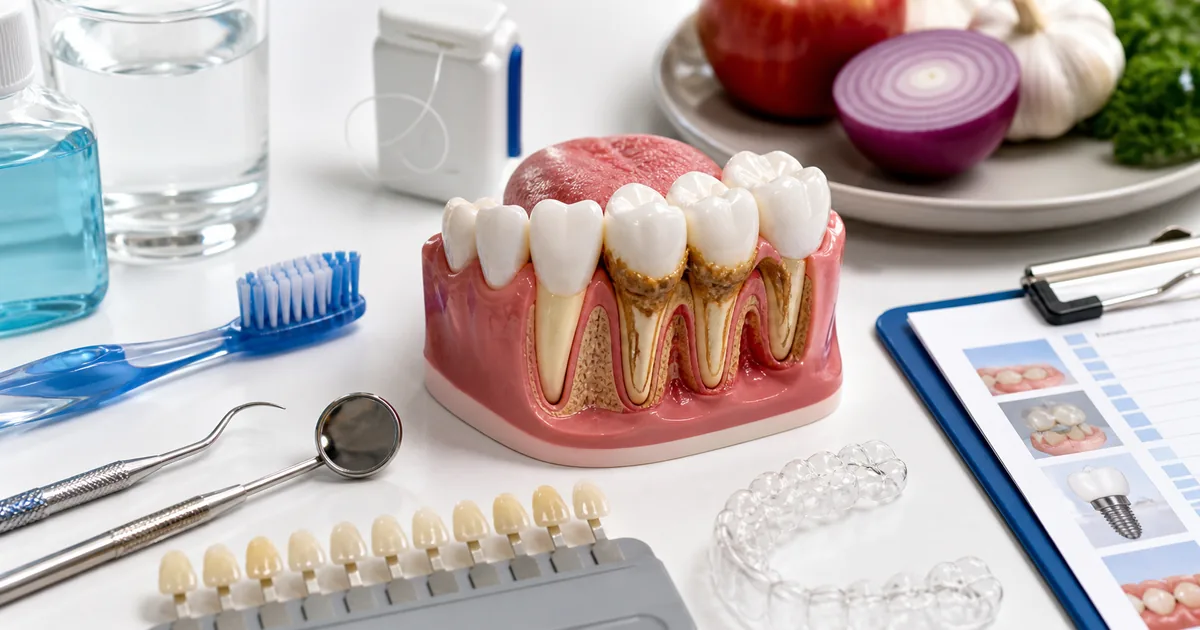
What Actually Helps Bad Breath?
Clean your tongue daily. A scraper, reaching as far back as you can manage. Floss properly. Not a quick pass, but against the side of each tooth. Odor on the floss tells you where the problem is. Stay hydrated. Water, consistently. It matters more than it sounds like it should. Choose mouthwash carefully. Alcohol-based rinses dry the mouth, which can worsen the underlying issue. If you use one, an alcohol-free option is generally the better choice. Get examined. If odor persists despite all of this, something is producing it that home care is not reaching, and finding it requires someone to look.Where Is Mountainside Dental Located?
La Quinta
78461 CA-111
Serving La Quinta, Indian Wells, Palm Desert and Indio
Rancho Mirage
42500 Bob Hope Dr STE 1
Serving Rancho Mirage, Cathedral City and Palm Springs
Yucaipa
11834 Bryant St., Ste. #104
Serving Yucaipa, Calimesa, Redlands and Cherry Valley
Rancho Santa Margarita
29941 Aventura, Suite B
Serving RSM, Mission Viejo, Coto de Caza and Ladera Ranch
Lake Forest
23731 El Toro Rd. Unit D
Serving Lake Forest, Baker Ranch, Foothill Ranch and Portola Hills
Frequently Asked Questions
Find the source rather than covering it
Book an exam at the Mountainside Dental office nearest you and we will look for what is actually producing the odor.
Book an Appointment


